A workshop built around one beam of light
Astrava brings together architects, luminaire designers and optical engineers. The studio is in Shanghai, the showroom in Dubai. Design, prototyping and dimming happen in the same room.
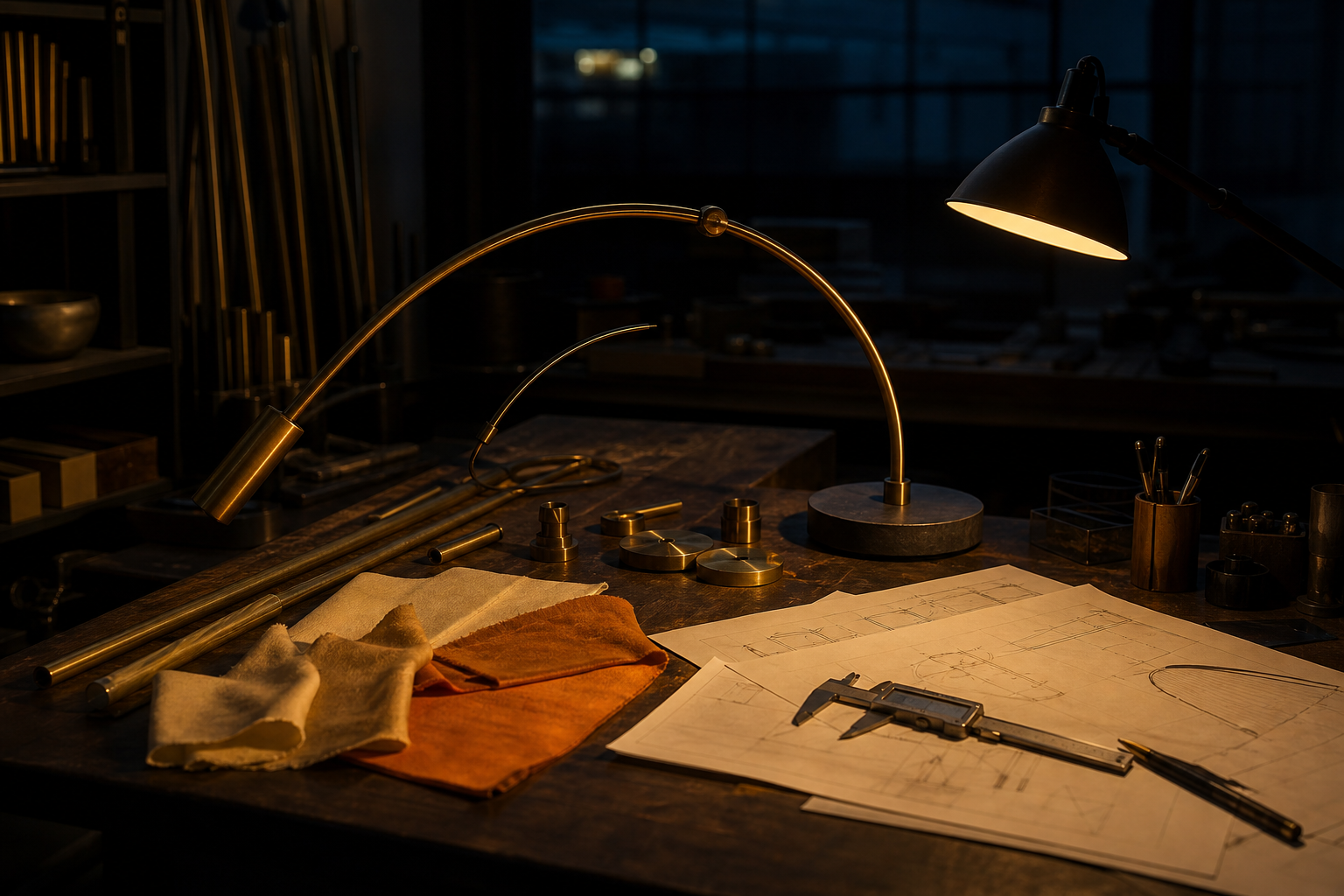
We started with a very concrete question: how bright should a west-facing dining table be at dinner? That lamp was adjusted seventeen times and became the prototype for the ARC collection.
The first brass arc still sits on the bench. Brass is brushed by hand here, glass is blown a few streets away, and every sample is lit continuously for forty-eight hours before it leaves.
We are not trying to make rooms brighter. We want every material worth seeing to be seen at the right hour — in a Shanghai apartment or a Dubai restaurant alike.
“Lamps age. Light should not go out of date.”
Studio motto
How we work
Light before form
Decide the direction and layers of light first, then draw the luminaire. Shape serves distribution, not the reverse.
Honest materials
Brass oxidises, glass keeps its bubbles, linen has a grain. We let those traces show instead of covering them.
Designed for upkeep
Every collection keeps spares and light-source replacements for at least ten years. A lamp should outlive a renovation.
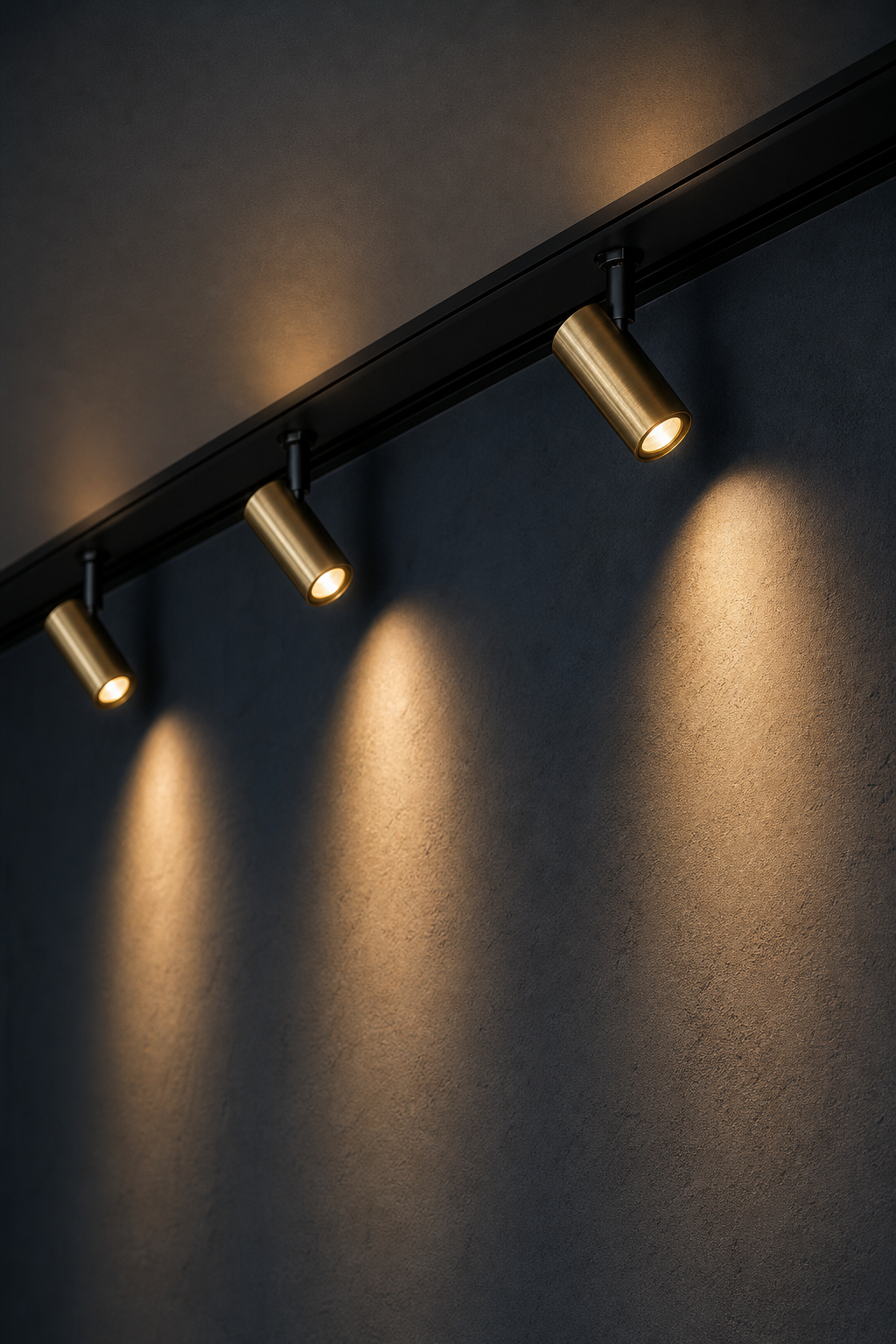
Size, material and colour temperature are variables
- Brass
- Hand-brushed and aged finishes that develop a warm patina with use.
- Hand-blown glass
- Amber and smoke, with transmission controlled between 62% and 70%.
- Alabaster
- Used in wall and table lights: warm, even, without hot spots.
- Linen and leather
- Natural shades and handles, replaceable as individual parts.